Spotting damp and mould before you buy
Key takeaways
- Use your nose as well as your eyes: a musty smell is often the first sign.
- Look low and high: skirting boards, cupboard bases, ceilings and the corners of rooms.
- Fresh paint on one patch of wall or ceiling deserves a polite question.
- Damp has a cause; a professional can help find it before you commit.
On this page
Water is patient. A small, steady leak or a room that never quite dries out can damage timber, plaster and finishes for years before anyone notices. Damp and mould are not always serious, and many homes have a little of both in a bathroom corner, but they are worth understanding because the cause, not the stain, is what costs money. A viewing is a good time to notice the signs and decide what to ask.
Start with your nose
A musty, earthy smell is often the first clue, and it is easier to notice in the first minute after you walk in, before you get used to it. Notice whether it is stronger in particular rooms, cupboards or a basement. A very strong air freshener or scented candles in every room are not proof of anything, but they can hide smells, so it is reasonable to ask about ventilation and any past moisture problems.
Where to look
- Ceilings: brown rings, bubbling paint or sagging plaster can point to a roof leak or a leaking pipe above.
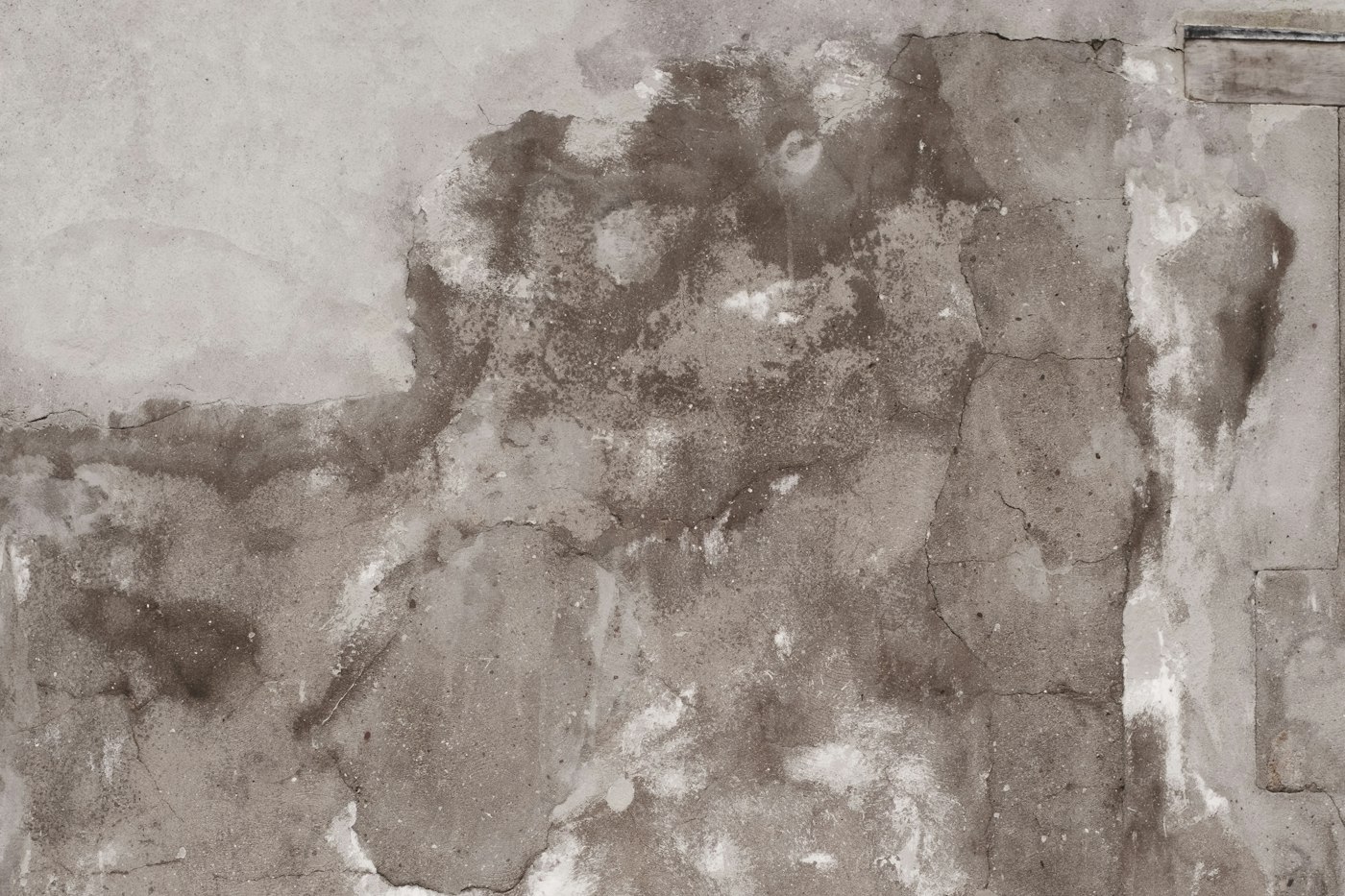
- The base of walls: flaking paint, salty white deposits, swollen skirting boards or a tide-mark line can suggest moisture rising from below or splashing from outside.
- Corners and behind furniture: mould often grows where air does not move, such as wardrobe backs and the corners of cold rooms.
- Wet areas: look at the sealant and grout around showers and baths, the floor near the toilet, and the cupboard under the sink.
- Windows: heavy condensation, stained sills or black spots on frames suggest a room that stays humid.
Outside clues
Many moisture problems start outside. Look at gutters and downpipes: overflowing or broken ones can send water against walls. Notice whether the ground slopes toward the building rather than away from it, whether garden beds are piled against the walls, and whether there are green or dark patches on external walls. Under-floor vents that are blocked can trap damp air beneath the home.
Condensation, leaks and rising damp
It helps to know that damp usually comes from one of a few broad sources, because each has a different kind of fix.
- Condensation comes from moisture in the air settling on cold surfaces. It is common in bathrooms, kitchens and bedrooms with poor ventilation, and is often improved with better airflow and heating.
- Leaks come from roofs, gutters, pipes, windows or showers. They tend to leave localised stains and can get worse quickly.
- Moisture from the ground can affect the lower parts of walls and floors, especially in older buildings or where drainage is poor.
You do not need to diagnose the cause yourself. Noticing where the signs are, and whether they look old or recent, gives a professional a useful starting point.
Questions worth asking
Ask whether there have been leaks, flooding or mould problems, and what was done about them. Ask when the roof and gutters were last checked, and whether any rooms are hard to keep dry or warm. If a patch of wall or ceiling has clearly been repainted recently, a polite question about why is entirely reasonable.
When to call in a professional
If you see widespread mould, stains in several rooms, signs of rot in timber, or damp you cannot explain, ask a qualified building inspector to look before you commit, and ask them to focus on moisture. They may suggest a specialist, such as a plumber or roofer, to confirm the cause and give an idea of the work involved.
Frequently asked questions
Is a little mould in a bathroom a reason not to buy?
Not usually. Some mould on grout or sealant in a poorly ventilated bathroom is common. It is more of a concern when it keeps coming back, appears in several rooms, or comes with stains, soft surfaces or a strong musty smell.
Can fresh paint hide damp?
Yes, for a while. Paint can cover stains, but it does not fix the cause, and marks often return. A freshly painted patch on an otherwise older surface is worth asking about.
Who should look at a damp problem?
A qualified building inspector is a good first step. Depending on what they find, they may suggest a plumber, roofer, drainage specialist or another tradesperson to confirm the cause.
General information, not professional advice. Rules and practice differ by place and change over time: check the details of your own situation with a qualified professional.