Getting a home ready for listing photos
Key takeaways
- Most buyers see the photos before the home, so they are the first viewing.
- Clear surfaces, open curtains and switch on every light.
- Small details, such as cables, bins and fridge magnets, stand out in photos.
- Agree the shot list with your agent and photographer before the day.
On this page
For most buyers, the listing photos are the first viewing. They decide from a few images whether a home is worth a visit, and the camera is less forgiving than a person standing in the room. Clutter looks heavier, small rooms look smaller, and details nobody notices in daily life suddenly stand out. A little preparation, room by room, helps the photos show the home as it really is at its best.
Agree the plan first
Ask your agent which rooms and views will be photographed, whether there will be twilight or outdoor shots, and how long the photographer needs. Knowing the shot list means you can concentrate your effort on what will actually appear, rather than trying to make every cupboard perfect.
Clear surfaces and floors
Photos make every object on a surface visible. Clear kitchen benches except for one or two deliberate items, empty the dish rack, and put away toiletries in bathrooms. Remove piles of mail, chargers, remote controls and small appliances. Keep floors as clear as possible: rugs that are worn or too small for a room can be removed for the day.
Light, inside and out
- Open curtains and blinds fully, and clean the windows.
- Switch on every light, including lamps and range hoods, and replace any blown bulbs.
- Use bulbs of the same colour within a room, so the photo does not show a mix of warm and cool light.
- Ask the photographer whether they prefer to shoot at a particular time of day for the best natural light.
Room by room
Living areas
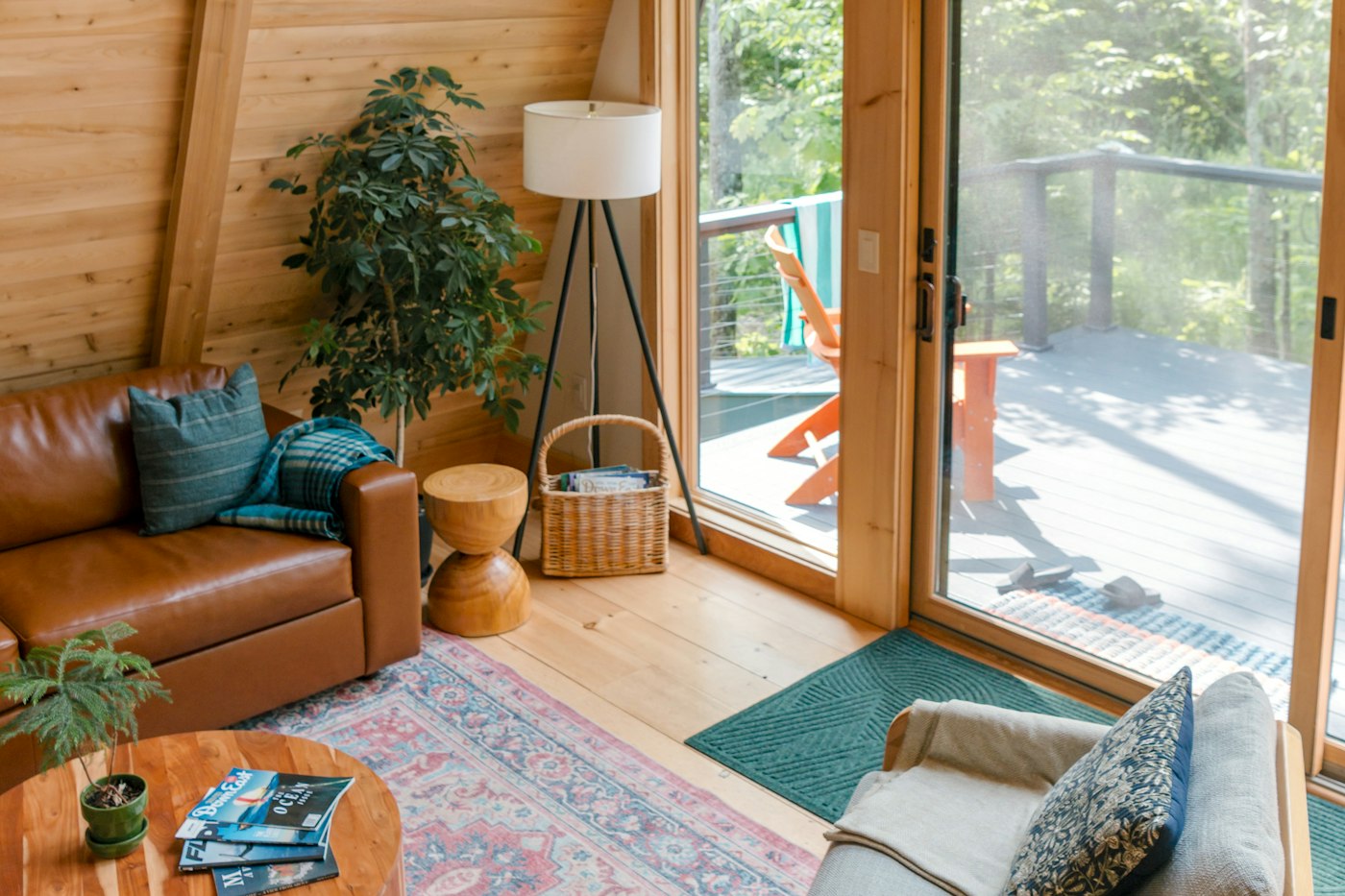
Arrange furniture so rooms feel open, and remove pieces that block walkways or windows. Straighten cushions and throws, and keep only a few decorative items.
Kitchen
Clear the fridge door of magnets and notes, hide bins and cleaning products, and make sure the oven and cooktop are clean, since they are often in the frame.
Bedrooms
Make beds neatly with plain linen if you have it, clear bedside tables, and close wardrobe doors.
Bathrooms
Put away toiletries, hang fresh towels, close the toilet lid and make sure mirrors and glass are free of marks.
The outside of the home
The front of the home is usually the main photo. Mow the lawn, trim plants, sweep paths and put bins out of sight. Move cars from the driveway and the street in front if you can. Clean the front door and check that outdoor lights work, especially if there will be twilight photos.
Floor plans and the details buyers check
Many listings include a floor plan, and buyers often study it as closely as the photos. Make sure every room is accessible on the day, including storerooms and garages, so measurements are complete. If there are features buyers cannot see in a photo, such as recent roof work, new hot water, solar panels or good storage, tell your agent so they can be mentioned in the description. Accurate details set fair expectations and avoid disappointment at the first inspection.
On the day
Do a last walk-through using the shot list. Hide personal items such as family photos and anything with names or addresses on it. Put pets and their bowls and beds out of sight. Then stay out of the way: photographers work faster without people in the background or in reflections.
Frequently asked questions
Do I need to remove all personal items before photos?
Not all, but it helps to remove family photos, documents and anything with names or addresses. Fewer personal items let buyers focus on the home, and keep your private details out of public listings.
When is the best time of day for listing photos?
It depends on the home's orientation and the rooms being shot. Ask the photographer, who can suggest the time with the best natural light for the main rooms and the front of the home.
Should I buy new furniture for the photos?
Usually not. Clearing, cleaning and arranging what you already have makes the most difference. Small, inexpensive touches such as fresh towels or plain linen are often enough.
General information, not professional advice. Rules and practice differ by place and change over time: check the details of your own situation with a qualified professional.